

Last Updated: October 26, 2026
Quick Summary
Independent retailers adapt quickly to customer needs, handle complaints personally because the owner's reputation is on the line, and offer repeat customers better recommendations, early access to new stock, and personalised service that large chains cannot match.
- Independent retailers source new inventory within weeks while large chains operate on quarterly cycles
- Small business owners hire and promote staff from the community, creating more stable local employment
- Regular customers at independent shops develop relationships with staff and receive personalised service
- Independent retailers create gathering spaces that strengthen social ties and local community identity
Table of Contents
- What independent retailers offer that chains cannot
- How independent retailers strengthen the local economy
- Independent shop customer service: a real difference
- Are independent shops more expensive than chains?
- Independent retailers vs big chains: where value actually lies
- Environmental and community impact of independent shopping
- Finding and shopping at independent retailers
- Frequently Asked Questions
What independent retailers offer that chains cannot
Independent retailers operate differently from large chains.
Independent retailers also adapt quickly. If customers ask for something, small business owners can source it or adjust their stock within weeks. Large chains operate on quarterly cycles. A trend that matters now might be gone by the time corporate approves new inventory.
How independent retailers strengthen the local economy
Supporting independent retailers means supporting local employment directly. Small business owners hire staff from the community, train them, and often promote from within. These jobs tend to be more stable than chain employment because the owner has a personal stake in the business succeeding.
Independent shop customer service: a real difference
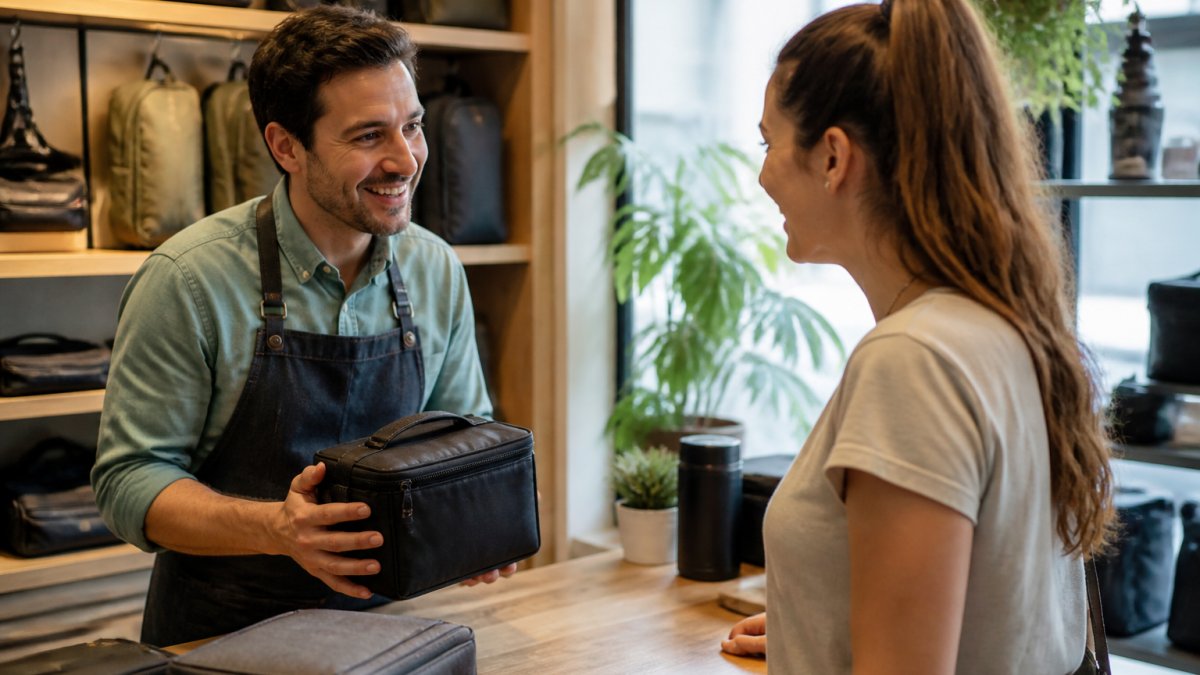
Returns and complaints are handled differently. Because the owner's reputation is on the line, they take feedback seriously. A dissatisfied customer at a chain might never be heard from again. A dissatisfied customer at an independent shop will be remembered, and the owner will work to make things right.
Are independent shops more expensive than chains?
But price isn't the only cost. Consider what you're not paying when you shop independently:
Independent retailers vs big chains: where value actually lies
Consider what matters to you:
The value also compounds over time. Regular customers at independent shops develop relationships with staff. They get better recommendations, early access to new stock, and personalised service. A chain customer gets the same generic experience every visit.
Independent shops and chains differ in how they serve customers and build loyalty over time.
| Aspect | Independent Retailers | Large Chains |
|---|---|---|
| Inventory decisions | Adapt within weeks | Operate on quarterly cycles |
| Customer feedback | Owner takes it seriously | Dissatisfied customers often not heard |
| Staff employment | Stable, promoted from within | Less stable employment |
| Repeat customer benefits | Better recommendations, early access, personalised service | Same generic experience every visit |
| Reputation stakes | Owner's reputation on the line | Corporate distance from outcomes |
Environmental and community impact of independent shopping
Community impact beyond economics. Independent retailers create informal gathering spaces. People shop locally, bump into neighbours, and build connections that strengthen social ties. This social contact is difficult to replicate online or in large chains, and it contributes to a sense of local identity. A high street with a mix of independent shops looks and feels distinct, which can attract visitors and support local tourism. These benefits are real but hard to quantify, so treat them as complementary to the economic case rather than a substitute for it.
Finding and shopping at independent retailers
Combine digital discovery with local purchasing. Many independent retailers now offer online ordering, click-and-collect, and local delivery. You can browse their websites or social feeds, ask questions by email or message, and arrange to collect in person. This gives you the convenience of online shopping while keeping your money with a local business. When buying online from a smaller seller, check that the site uses secure payment methods and has a clear returns policy. identify secure online shops and secure payment methods for online shopping explain what to look for. Best Online Stores for Unique Gadgets: Top Picks can help you discover independent retailers online.
Frequently Asked Questions
What is an independent retail store?
An independent retailer is a business owned and operated by an individual or small group, typically with one or a few physical locations. Unlike large chains, independent retailers make their own decisions about inventory, pricing, and customer policies. They range from specialist shops to general lifestyle stores, and they're often deeply rooted in their local communities. Many independent retailers source products directly from makers and smaller brands, giving them control over what they stock.
How does shopping at independent retailers help local communities?
When you spend money at independent retailers, profits stay in the community rather than flowing to distant corporate headquarters. Independent business owners reinvest earnings into local suppliers, staff wages, and community initiatives. This creates a multiplier effect: local employees spend their wages at other local businesses, supporting more jobs and economic growth. Independent retailers also contribute to the distinctive character and identity of their high streets, making neighbourhoods more appealing places to live and visit.
Are independent shops more expensive than large chains?
Not necessarily. While some independent retailers may have higher prices on certain items due to smaller purchase volumes, many offer competitive pricing on their speciality products. Independent shops often provide better value through expert advice, quality curation, and products you won't find elsewhere. The real cost difference depends on what you're buying and where. Shopping independently on a budget means comparing prices, buying seasonal items, and focusing on categories where independent retailers excel, such as locally made goods, specialist equipment, and curated lifestyle products.
Do independent retailers offer better customer service?
Yes, independent retailers typically provide more personalized service than large chains. Staff at independent shops often have deep product knowledge, understand regular customers by name, and can offer tailored recommendations based on your specific needs. This direct access to business owners and experienced staff creates stronger customer relationships and a more attentive shopping experience. You're not navigating a faceless system; you're building a connection with people who genuinely know their products and care about getting the right fit for you.
Shopping at independent retailers means choosing quality over convenience, discovery over predictability, and community over corporate efficiency. It costs slightly more in some cases and requires more effort to find what you want. But the value you gain, unique products, expert advice, and genuine support for local employment, makes it worth the trade-off. Start with one independent shop in your area this week. You'll likely become a regular.


