

Last Updated: November 15, 2026
Quick Summary
Energy-saving LED lighting tips work because LEDs turn most of the electricity they draw into light rather than heat, so they use far less power than older bulbs and last for years. Match brightness in lumens, pick colour temperature by room, and check dimmer compatibility before buying.
- LEDs run cool, draw lower wattage and last longer, so you buy and fit fewer bulbs.
- Choose brightness in lumens: around 800 for a standard room bulb, 1,000 and up for task areas.
- Use warm white around 2700K for bedrooms and natural white around 4000K for kitchens.
- A 9W LED uses about 16 kWh a year versus about 110 kWh for a 60W incandescent.
- Motion, occupancy, timer and daylight controls stop lights running in empty rooms.
Table of Contents
- Why LED Bulbs Use Less Electricity Than Older Bulbs
- How to Choose LED Bulbs: A Practical Selection Checklist
- Working Out Whole-Life Costs and Payback Period
- LED Dimmer Compatibility: What to Check Before You Buy
- Lighting Controls and Sensors That Cut Wasted Light
- Room-by-Room LED Lighting Plans
- Fixing Common LED Problems: Flicker, Enclosed Fixtures and Transformers
- Recycling Old Bulbs and Disposing of LEDs Responsibly
- Frequently Asked Questions
Why LED Bulbs Use Less Electricity Than Older Bulbs
Energy-saving LED lighting tips start with one simple fact: LEDs turn most of the electricity they draw into light, not heat. That is the whole trick.
This guide from NEXZI shares practical LED lighting tips for a lighting upgrade: what to buy, what to check, and where the savings actually come from.
The difference shows up in three places:
- Less heat. LEDs run cool, so less energy is wasted warming the room.
- Lower wattage. An LED does the same job as an older bulb at a fraction of the power draw.
- Longer life. LEDs keep working for years, so you buy and fit fewer bulbs.
Halogen bulbs sit closer to incandescent than most people expect. They are slightly more efficient, but they still run hot and burn out far sooner. Compact fluorescent bulbs use less power than halogen, yet they contain mercury and take time to reach full brightness.
So the efficiency gap is real. The next question is how to pick the right LED for each fitting.
How to Choose LED Bulbs: A Practical Selection Checklist
Knowing how to choose LED bulbs comes down to four checks: brightness, colour, beam angle, and dimmer compatibility. Get those right and the bulb simply works.
Match brightness in lumens, not wattage
Lumens measure light output. Wattage measures power use. Shoppers used to buy by wattage because old bulbs were predictable. With LEDs, ignore the wattage number on the front and look for the lumen figure.
As a rough guide:
- Small accent or bedside light: around 200 to 400 lumens
- Standard room bulb: around 800 lumens
- Kitchen or task area: 1,000 lumens and up

Colour temperature and beam angle by room
Colour temperature is measured in kelvin. Lower numbers look warm and yellow; higher numbers look cool and white.
- Warm white (around 2700K): bedrooms and living rooms
- Natural white (around 4000K): kitchens and hallways
- Cool white (5000K and above): garages, workshops and task lighting
Beam angle matters too. A narrow beam throws light in a tight pool, which suits a spotlight. A wide beam spreads light across a room. Match the angle to the job, not the fitting.
If you want adjustable brightness and colour in one task light, our adjustable magnetic LED reading and fill light lets you adjust brightness and colour temperature to suit the task.
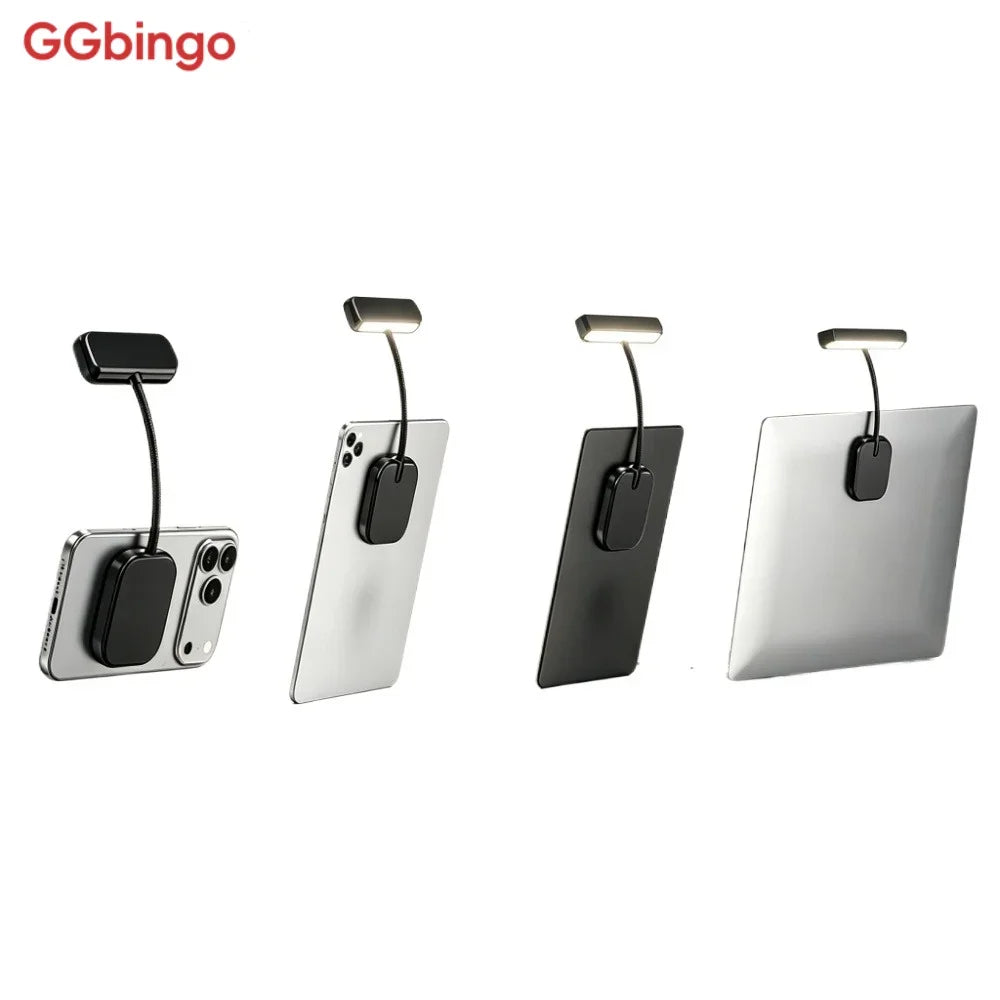
Here are the brightness, colour temperature and beam angle figures the article gives for picking a bulb.
| Check | Value | Best for |
|---|---|---|
| Small accent or bedside light | around 200 to 400 lumens | accent and bedside lighting |
| Standard room bulb | around 800 lumens | general room light |
| Kitchen or task area | 1,000 lumens and up | task lighting |
| Warm white | around 2700K | bedrooms and living rooms |
| Natural white | around 4000K | kitchens and hallways |
| Cool white | 5000K and above | garages, workshops and task lighting |
| Narrow beam | tight pool of light | spotlights |
| Wide beam | spreads light across a room | general room lighting |
Working Out Whole-Life Costs and Payback Period
The purchase price is only part of the story. Whole-life cost adds the electricity used over the bulb's life to what you paid for it, and the payback period is the point where the running-cost savings overtake the extra you spent upfront.
Here is the method, step by step:
- Note the wattage. It is printed on the bulb box and on the bulb itself.
- Estimate hours of use per day. Be honest, a hallway light on for five hours every evening is a different calculation from a spare-room lamp used twice a month.
- Convert to kilowatt-hours. Multiply wattage by hours by days, then divide by 1,000. A 10W LED run for five hours a day uses 0.05 kWh per day, or about 18 kWh a year.
- Multiply by your electricity rate. Your unit rate is shown in pence per kWh on your energy bill or tariff statement.
- Add the purchase price to get the whole-life cost.
A worked example
Take a standard room bulb used five hours a day. An old 60W incandescent draws 60W; a 9W LED gives comparable light. Over a year at five hours a day:
- Incandescent: 60W × 5 hours × 365 days ÷ 1,000 = about 110 kWh a year.
- LED: 9W × 5 hours × 365 days ÷ 1,000 = about 16 kWh a year.
The LED uses roughly 94 kWh less per year. Multiply that difference by your unit rate to see the annual saving in pounds. Because the LED also lasts far longer, you buy and fit fewer bulbs, which adds to the saving over the bulb's life.
What swings the maths
Two things dominate. First, your electricity rate, a higher unit rate makes every saved kilowatt-hour worth more. Second, how long the light stays on. A hallway light on for hours every evening pays back faster than a lamp used twice a month. A bulb that is rarely switched on may never repay a large upfront premium, so match the spend to the usage.
Watch out: buying on sticker price alone often costs more over time. Cheap bulbs with short lifespans can wipe out the savings you thought you made, and a bulb that fails early resets the payback clock.
LED Dimmer Compatibility: What to Check Before You Buy
LED dimmer compatibility is the most common reason a dimmable LED flickers or buzzes. Older dimmer switches were designed for halogen loads, and LEDs draw far less power. That mismatch causes problems.
Before you buy, check three things:
- The bulb box. Look for "dimmable" and any stated dimmer type.
- Your switch. Note the make and model of the dimmer.
- The load. Some dimmers need a minimum wattage to work.
If you are unsure, buy one bulb first and test it before fitting a whole room. It saves a lot of returns.
Lighting Controls and Sensors That Cut Wasted Light
Lighting controls and sensors do the simplest efficiency job there is: they stop lights running in empty rooms. A bulb that is switched off uses nothing, so controls often save more than swapping the bulb itself.
The main options, and when each is worth fitting:
- Motion sensors switch on when someone enters and are best for spaces used briefly and unpredictably, hallways, stairways, porches and cupboards. They suit areas where a light would otherwise be left on for convenience.
- Occupancy sensors switch off after a set time with no movement. They are the better choice for rooms where people sit still, a home office or living room, because a plain motion sensor can switch the light off while someone is reading.
- Timers follow a schedule and suit lights you want on at predictable times, such as an evening porch light or a lamp that greets you home. They do not respond to whether anyone is actually there, so pair them with a sensor where that matters.
- Daylight controls dim or switch off when natural light is strong. They pay off in rooms with good windows and lights that would otherwise run all day, such as a kitchen or a workspace beside a window.
Choosing between them
Match the control to the pattern of use, not to the gadget. A light that is on for long, predictable stretches rewards a timer. A light used in short bursts rewards a motion sensor.
Watch out: sensors with a short timeout can be more annoying than useful in a room where people sit still, and badly placed sensors trigger on passing traffic through a doorway. Set the timeout and sensitivity before deciding a control has not worked.
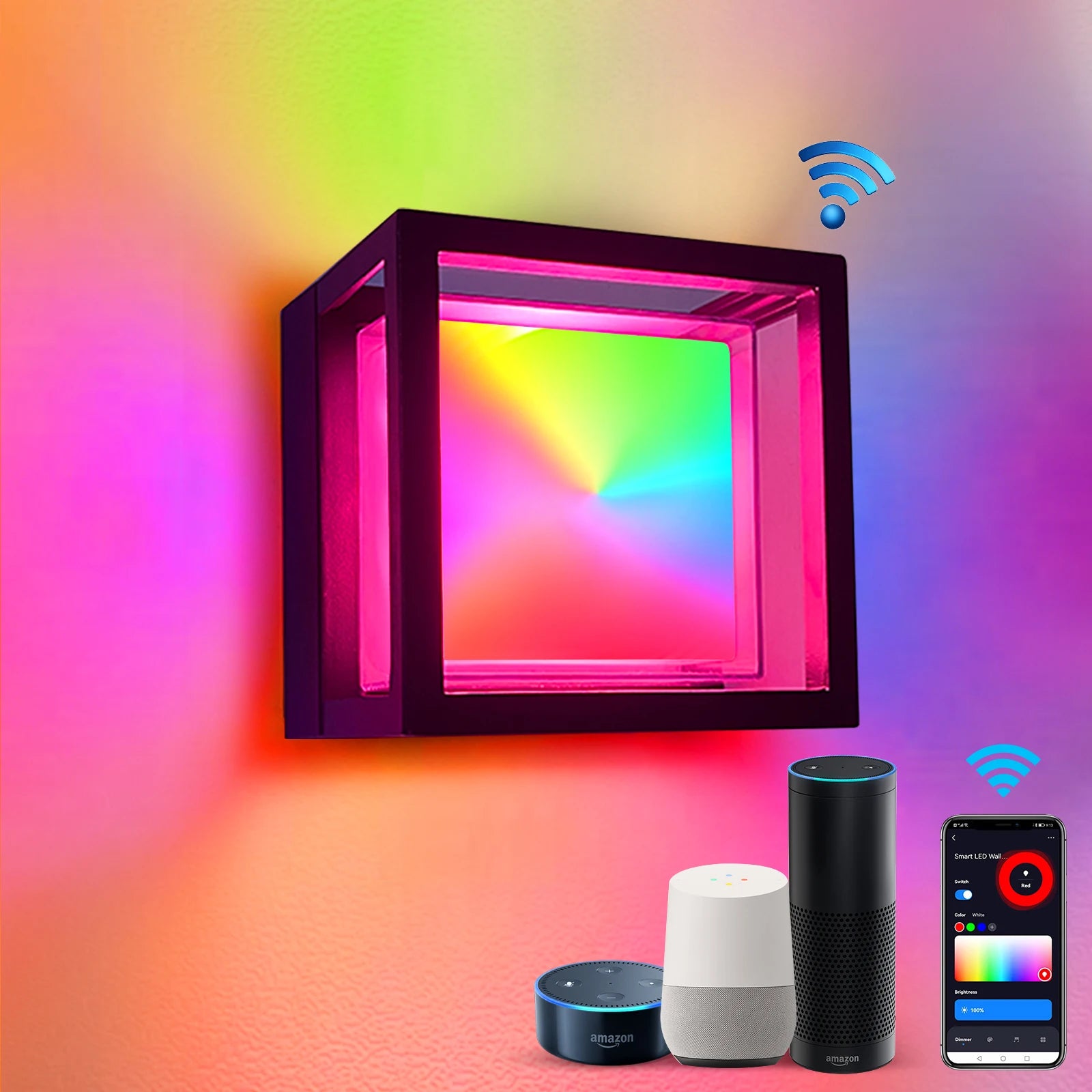
For stairways and hallways, a rechargeable magnetic motion sensor wall light handles the job without wiring. If you want scheduled, app-based control, our 20W Wi-Fi smart LED wall light supports timers, brightness adjustment and grouped setups.
Room-by-Room LED Lighting Plans
A room-by-room plan balances three needs: task light, ambient light, and comfort. Efficiency comes from putting the right light where it is used, not from dimming everything.
- Bedroom: warm, low-level light. A dimmable bedside lamp beats a bright ceiling light.
- Kitchen: bright task light over worktops, with wider ambient light for the room.
- Living room: layered light. A main light plus a couple of lamps gives control.
- Hallway and stairs: motion-triggered light that switches off on its own.
- Home office: a focused task light to cut eye strain.
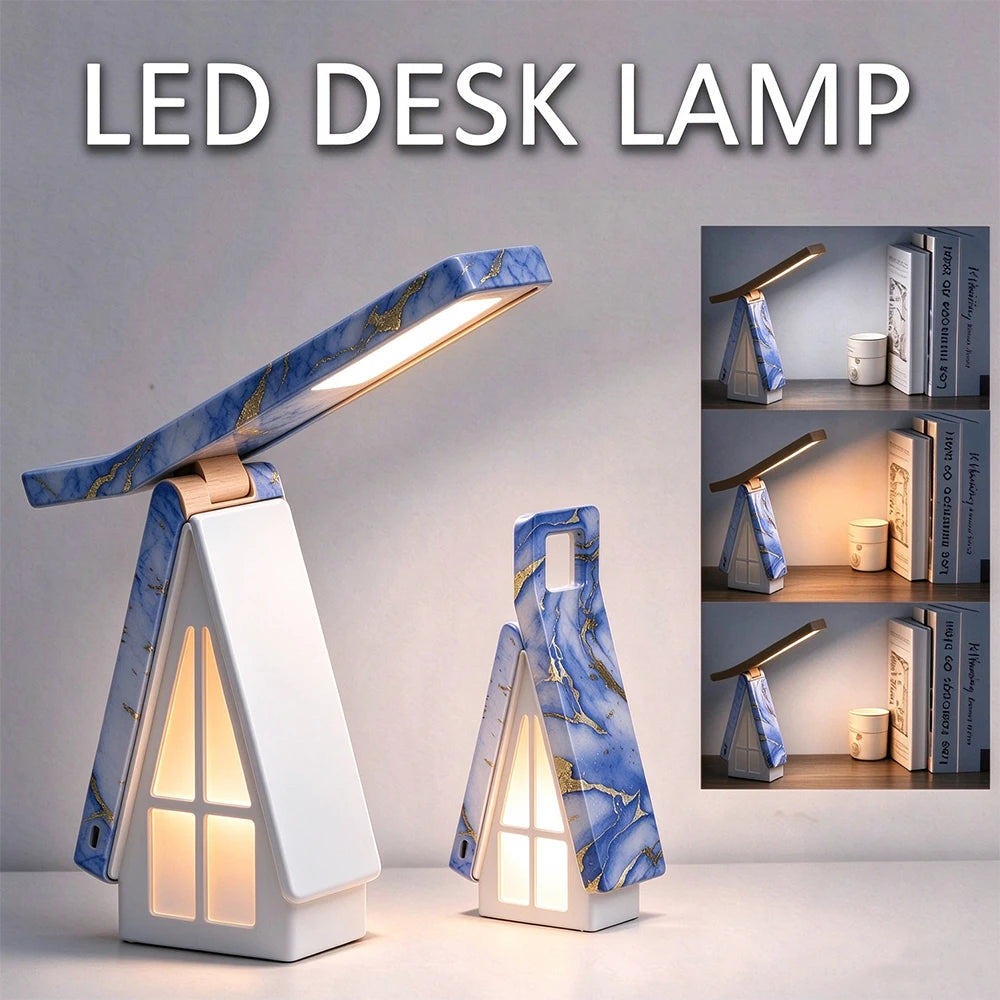
For a bedside or desk spot, our rechargeable house-shaped LED desk lamp offers three light modes and touch brightness control. If you are also furnishing the room, our guide to home accessories buying tips covers how to finish the space.
Fixing Common LED Problems: Flicker, Enclosed Fixtures and Transformers
Most LED problems trace back to one of three causes. Here is how to fix each.
Flicker. Usually a dimmer mismatch. Swap to a dimmer rated for LEDs, or replace the bulb with a non-dimmable one on a standard switch.
Enclosed fixtures. LEDs shed less heat than older bulbs, but they still need airflow. In a sealed fitting, choose a bulb rated for enclosed use.
Transformers. Low-voltage fittings use a transformer, and some older ones do not suit LED loads. Check the transformer is LED-compatible before swapping the bulb.
Recycling Old Bulbs and Disposing of LEDs Responsibly
Old bulbs should not go in general waste. Compact fluorescent bulbs contain mercury, so they need proper handling.
LEDs contain small amounts of electronic parts. They last for years, which keeps waste low.
Check with your local council for what it accepts.
A lighting upgrade only pays off when the bulbs and fittings actually suit your rooms. NEXZI stocks practical LED lights to match, from rechargeable desk lamps to motion-sensor wall lights. Every order ships free, comes with a 30-day returns policy, and is covered by 100% SSL-encrypted payments. Get started with NEXZI and light each room the right way.
Frequently Asked Questions
Do LED bulbs use less electricity than traditional bulbs?
Yes. A modern LED produces the same light output as an incandescent bulb while drawing a fraction of the wattage, so the electricity use on your bill drops for every hour the light is on. Halogen and incandescent bulbs also lose most of their energy as heat, which LEDs do not. Check the lumen figure on the box and compare wattage between the old bulb and the replacement to see the difference for your own fittings.
What should I look for when choosing LED bulbs for each room?
Start with lumens for brightness, then colour temperature: warm white for living rooms and bedrooms, cooler white for kitchens and workspaces. Check the cap type and beam angle so the bulb fits the fixture and spreads light where you need it. For anything on a dimmer, confirm the bulb is marked as dimmable and compatible with your switch type. Keep a simple checklist of these four points before you buy.
Does switching off LED lights or dimming them save energy?
Switching off lights in unoccupied rooms always saves electricity, whatever the bulb type. Dimming an LED reduces its power draw, though the saving is rarely perfectly linear with the brightness level. The bigger gains usually come from pairing LEDs with lighting controls and sensors, such as timers, occupancy sensors and daylight controls, so lights are only on when they are actually needed.
Do LED bulbs work with dimmer switches?
Many do, but not all. LED dimmer compatibility depends on the bulb and the switch working together, and older dimmers designed for incandescent loads can cause flicker or buzzing. Look for dimmable bulbs and check the manufacturer's guidance on minimum load and dimmer type. If a new bulb flickers, the dimmer is usually the cause rather than the bulb, so test one fitting before replacing a whole room.


